The seer of Gayatri mantra is Rishi Vishwamitra. His name means a friend to everyone, a friend of the universe. This is also the nature of Gayatri. She holds your hand during times of sadness, happiness, confusion, doubt, moral uncertainty, elation. The mantra will hold your hand through life because it awakens a light within that guides.
This light is an intelligence that illuminates your path. This is its reputation.
The mantra is named after its meter, a 24-syllable mantra with an eight-syllable rhythm, dedicated to that force that gives light to the sun. The mantra asks this force, this divinity, through its rhythm, to illuminate the mind and intelligence.
In the methodical and systematic study of mantra and meditation, Gayatri is imparted first because of this quality to illuminate. To illuminate is to shed light, which enables you to see things as they are.
Gayatri illuminates the path of a spiritual seeker by awakening inner intelligence , which in the vernacular is to awaken the inner teacher, the inner guru.
Learn, study and practice Gayatri mantra with Rajesh Rai which is offered over three stages by Poulstone Court Retreat and Meditation Centre.
· Stage 1: Learn to recite the Gayatri and chant the mantra 108 times in a group setting. This is done over 3 sessions of 1 hr each at Wellsprings House, Malvern WR14 4 PZ on 10 July, 17 July and 24 July 2026 at 6-7pm. Cost: Donation
· Stage 2: Learn to synchronise the mantra with the body, so the body becomes a temple for the practise of the mantra. This is done over 3 sessions of 1 hr each at Wellsprings House, Malvern WR14 4PZ. 10 July, 17 July and 24 July 2026 between 7-8pm. Cost: Donation
· Stage 3: Join us in a weekend retreat at Poulstone Retreat Centre, which brings stages 1 and 2 together in a systematic study of Gayatri, between 25-27 September 2026. Total cost, full board and teaching over 2 days £151 incl of VAT.
The Gayatri course is part of the “Illuminate the Mind and Shine Series” offered at Poulstone Court. Rajesh begun his systematic practice of the Mantra over 25 years ago and shares his experience in this series.
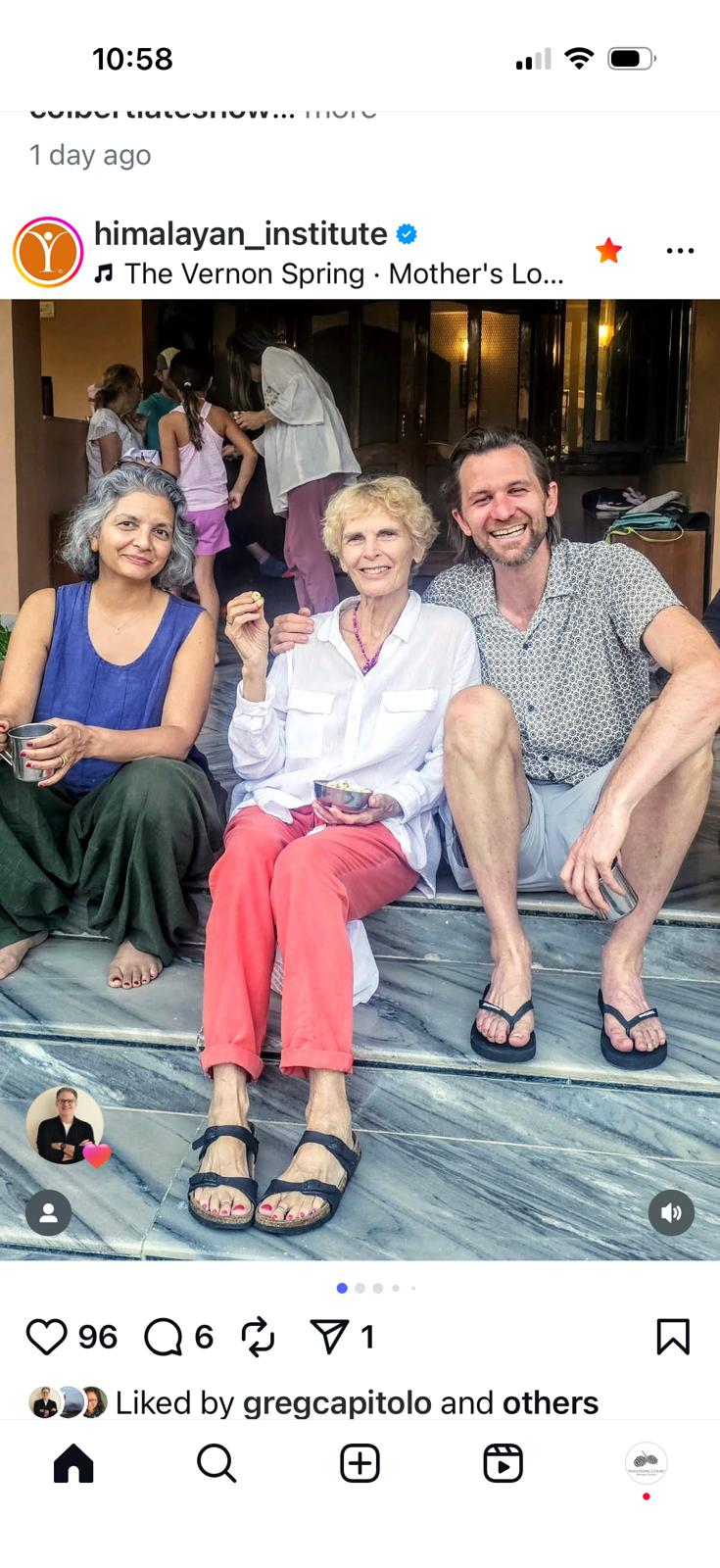
The Himalayan Institute (HI) in Pennsylvania, USA conducted a 6 month long Maha Sri Yaga in Khajuraho, India from September 2025 to March 2026.
Put simplistically, it was a time to combine human effort with the spirit of nature and access the sacred. Now. At this time of great need.
People had the opportunity to participate and contribute in person via a 15 day fire offering that occurred monthly.
What follows is a personal recollection of my visit. That, which is currently available to me. As with all life changing experiences, the experience continues.
Looking back on October 2025, by Divya Dhasmana
How does one describe an experience?
How does one describe an elevated feeling with mundane language?
It is impossible.
Poets perhaps succeed.
I am not a poet.
But I will try.
One word.
Sri.
As that was my whole world in the three weeks there. I shall return to Sri in due course.
First, allow me to set the scene.
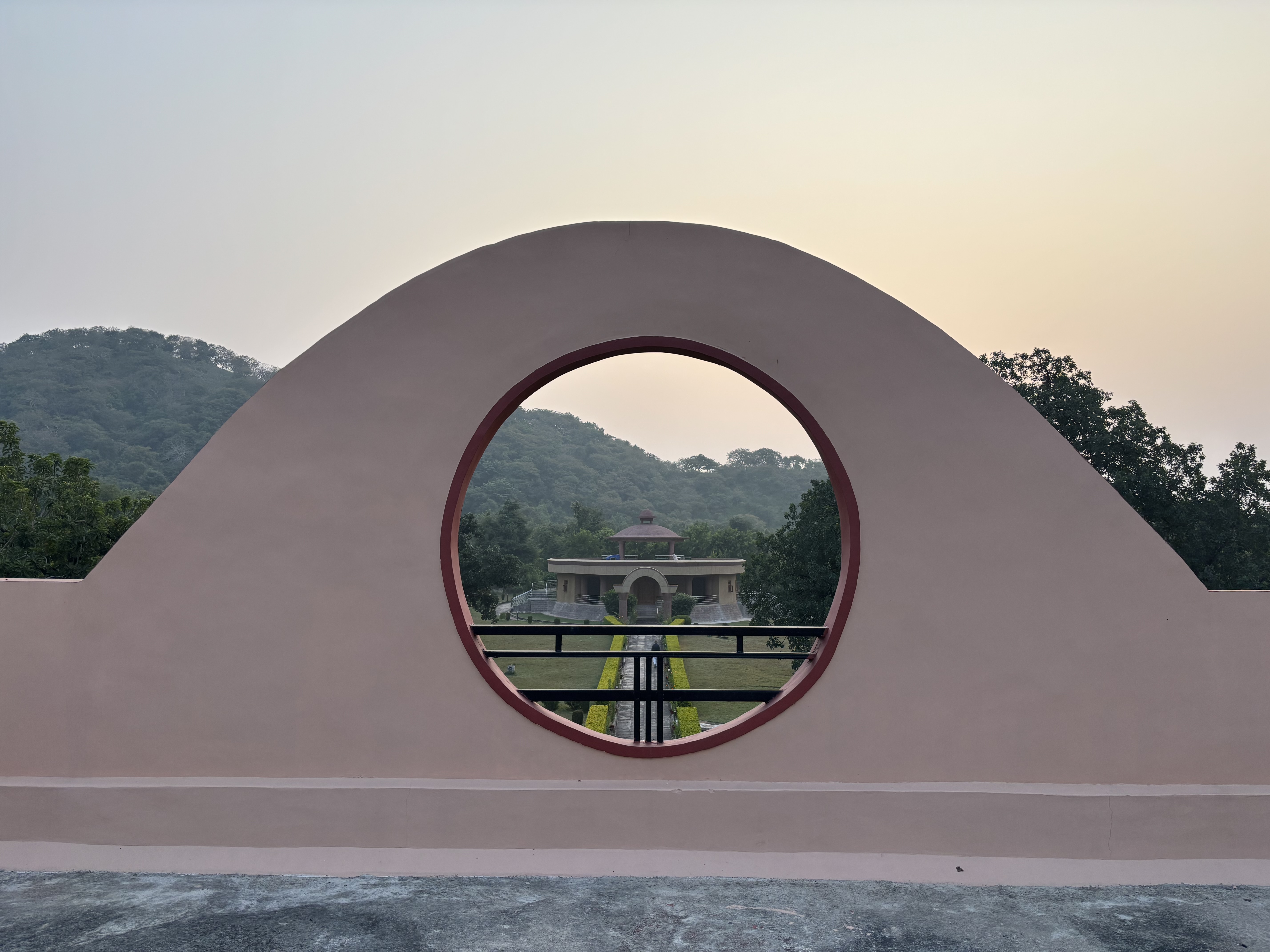
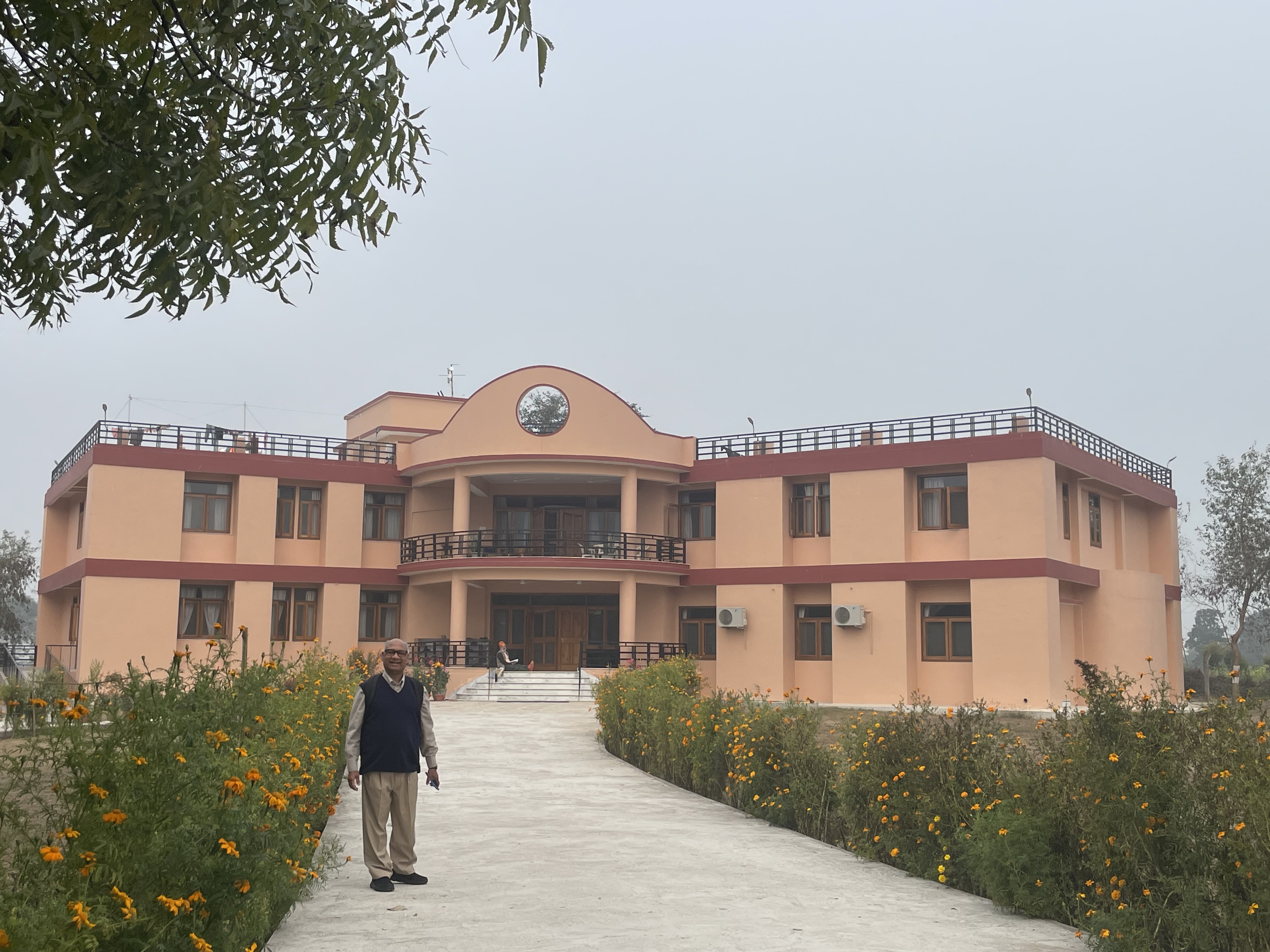
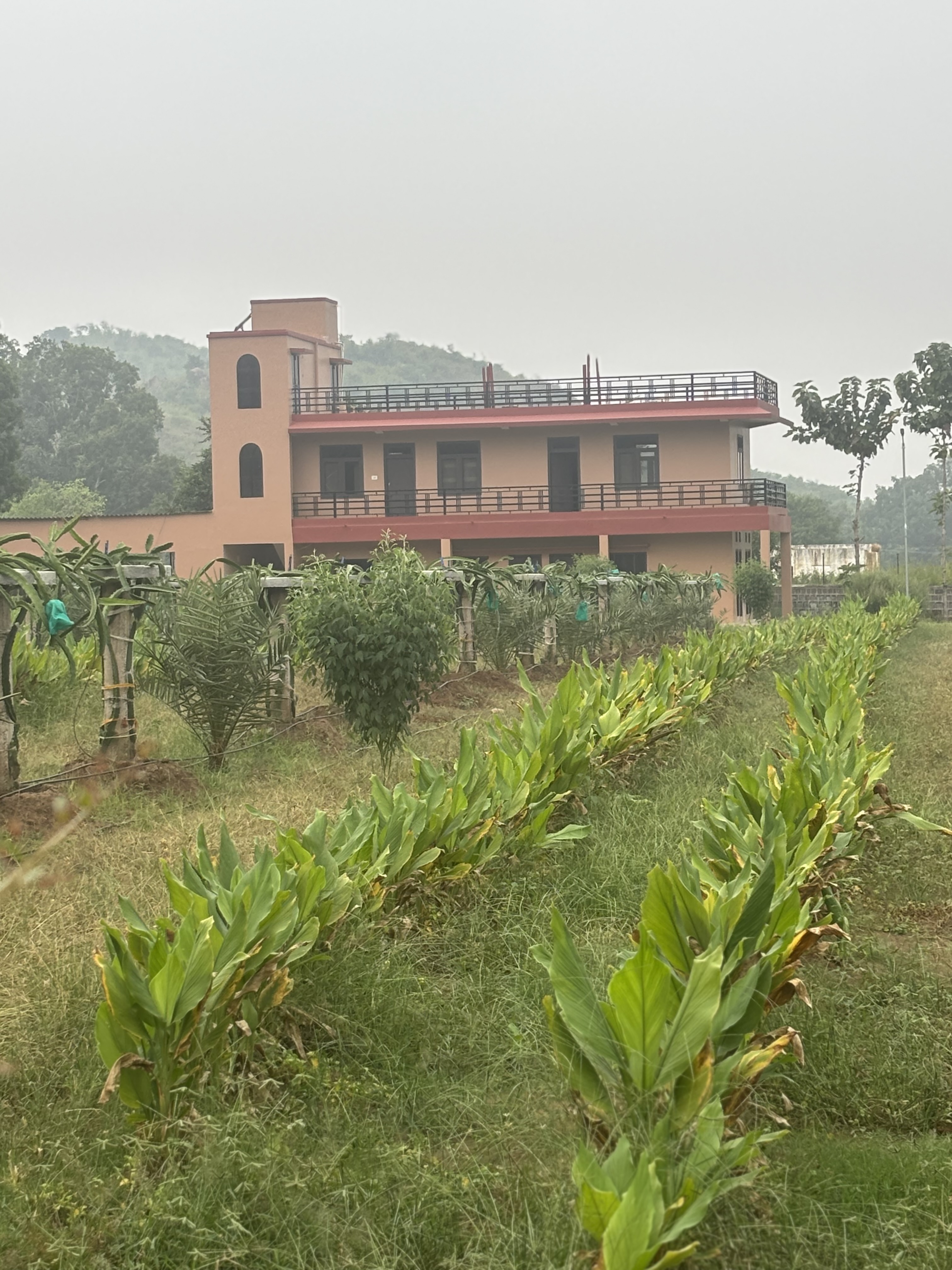
The campus in central India is simplicity, beauty and elegance. In all its roles. From fulfilling a Maha Yaga practice, to providing gifts to the staff, or joyously celebrating Diwali or a birthday party for a five year old earth soul.
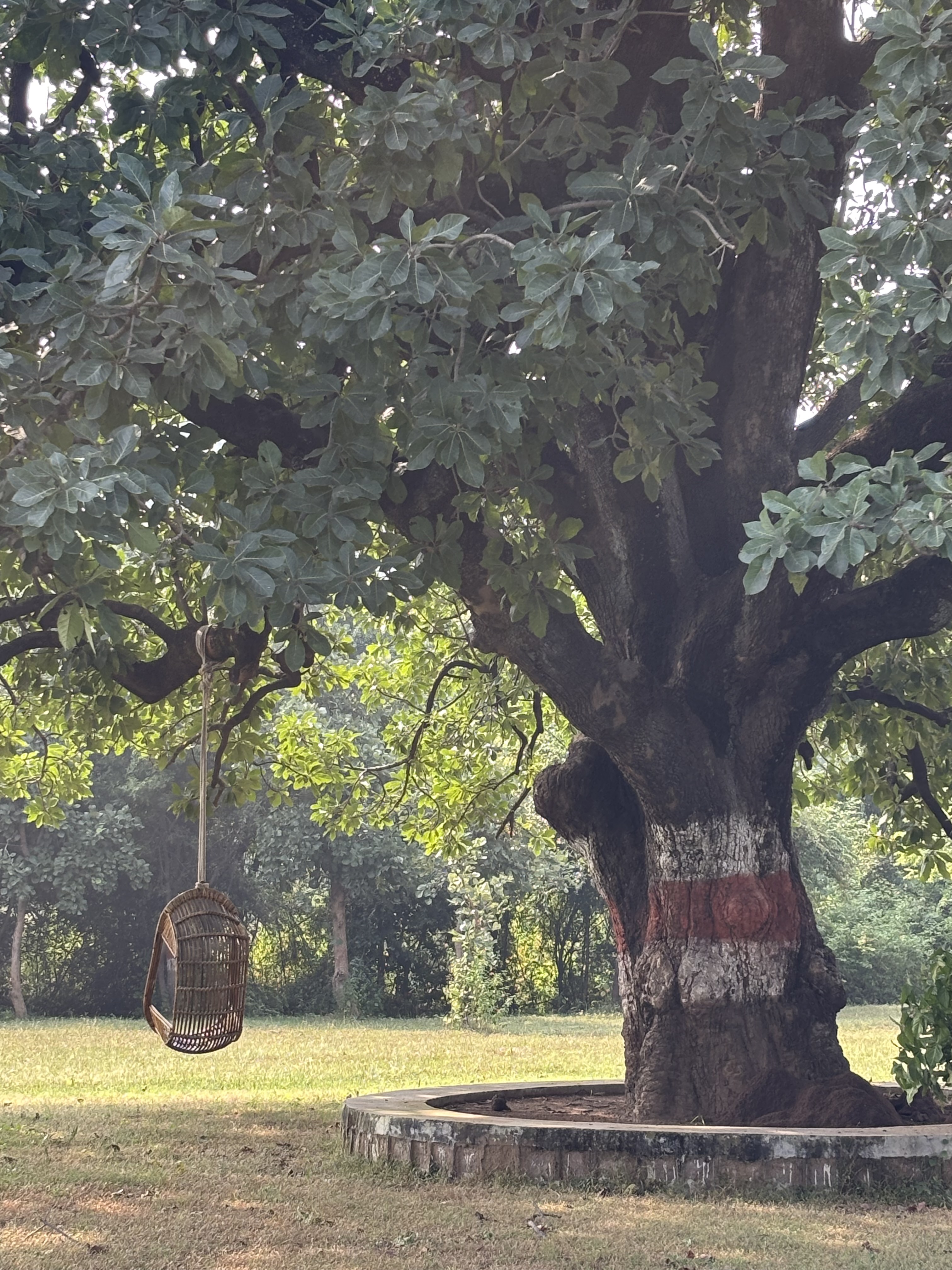
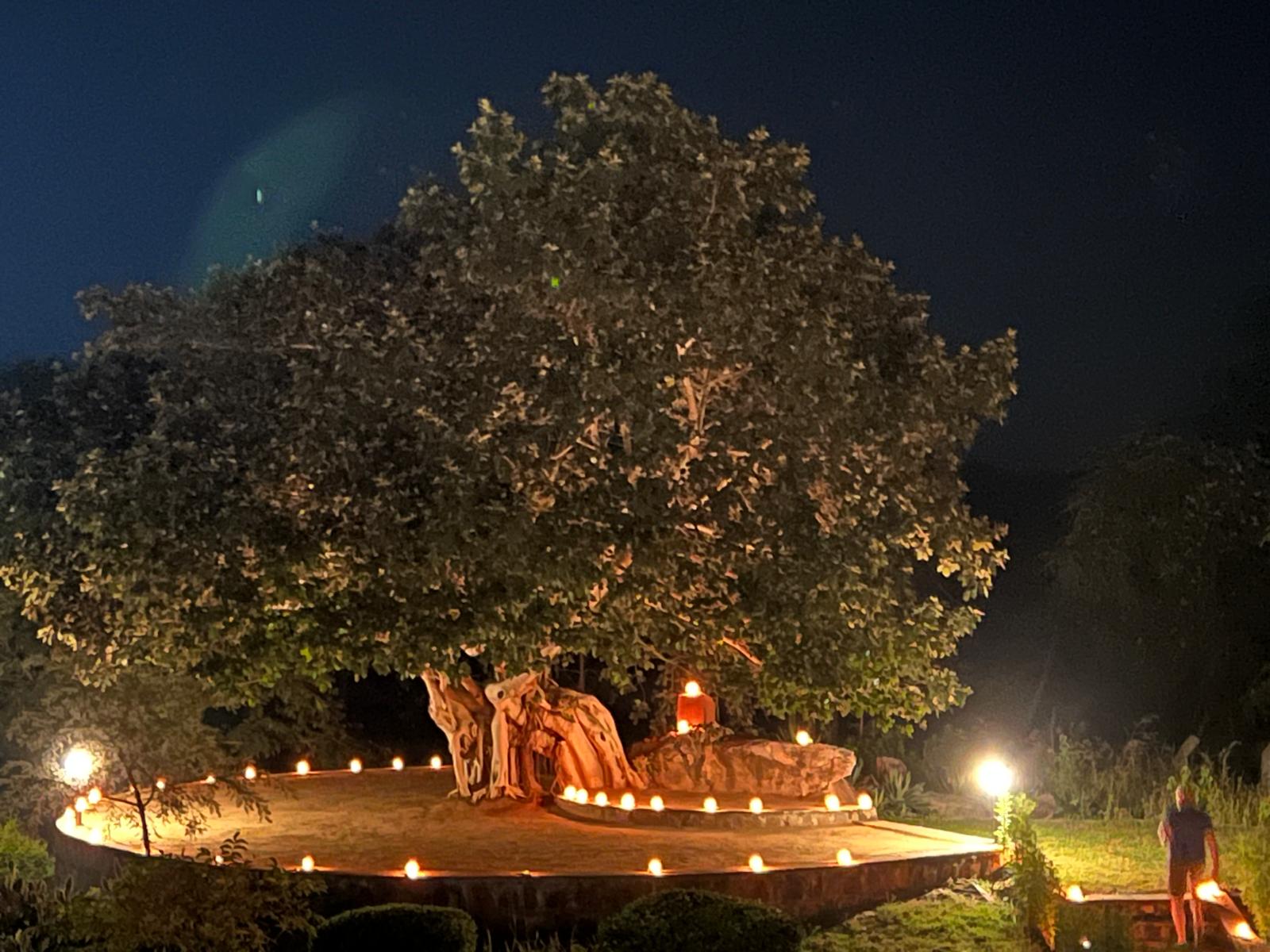
The grass is green and cared for, the borders neat. The expansive banyan tree at the entrance shares and spreads her majestic branches generously, allowing shelter and companionship to humans and cows of the campus. The smaller banyan tree of the 64 yoginis and Mother Matangi is distinctly conspicuous adjacent to the Shrine. An other worldly space. Very singular.
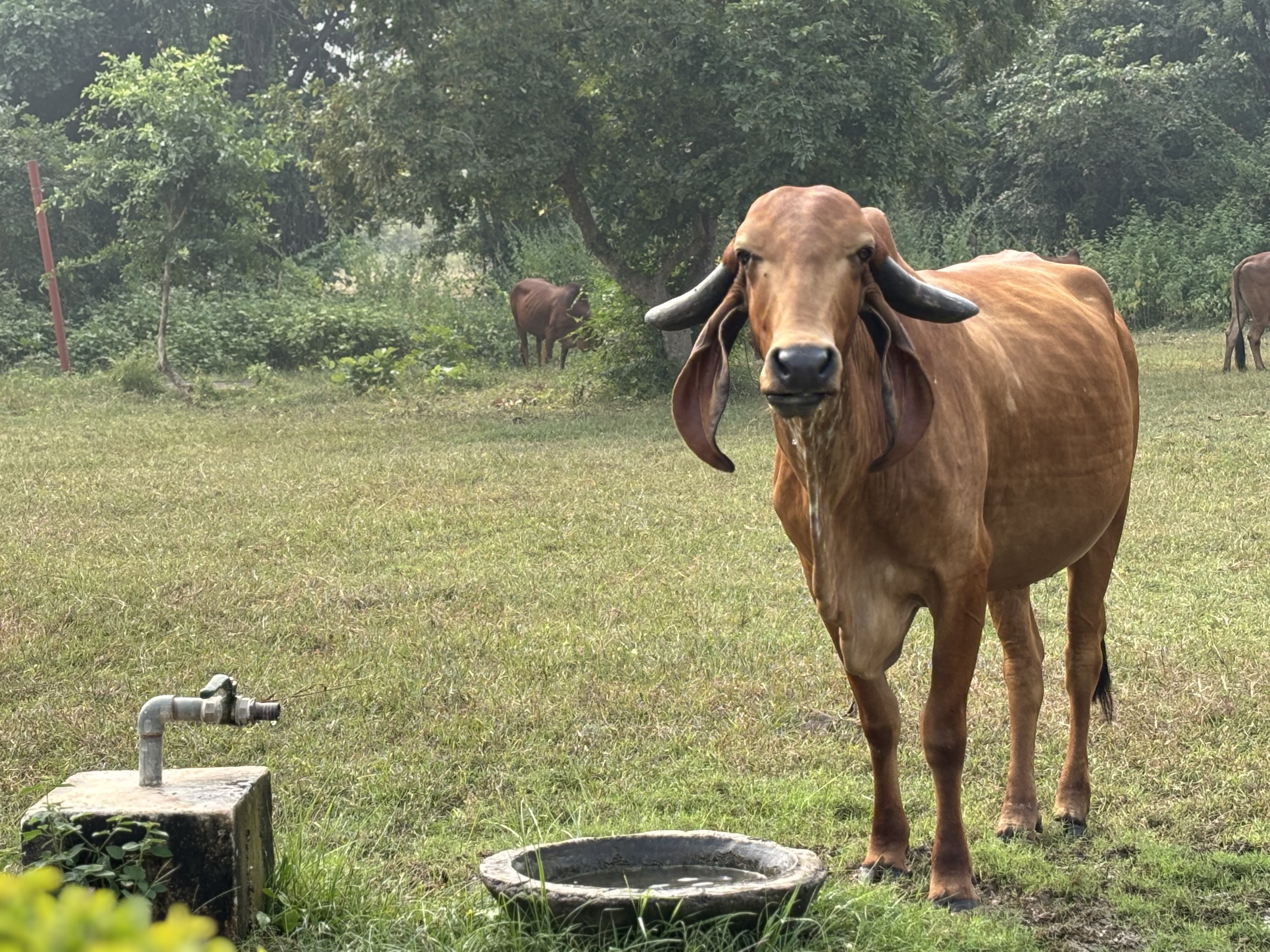
The cows hold their heads high. They look comfortable and own their space.
The coloured birds perch on display, or fly by, and sing their songs.
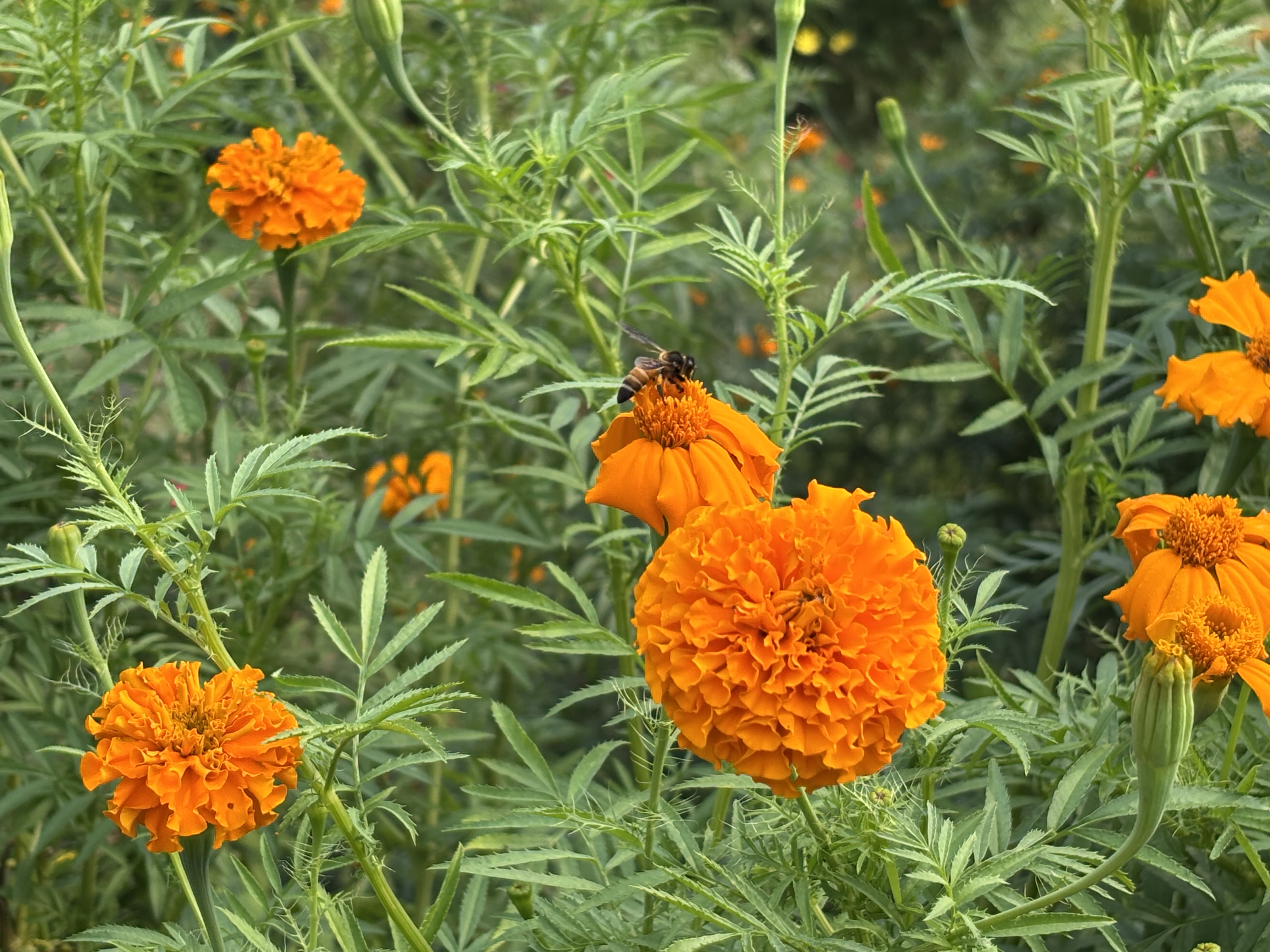
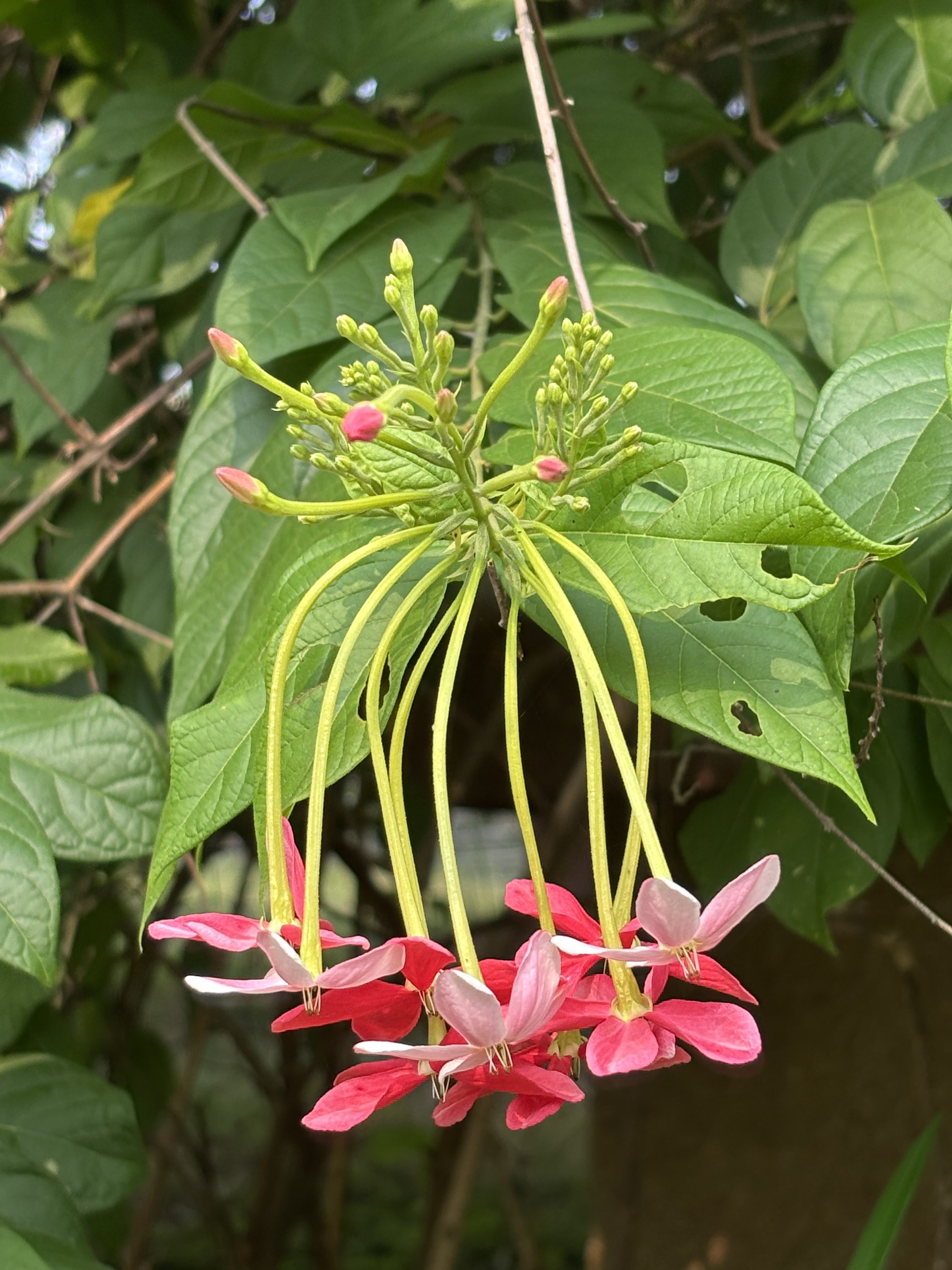
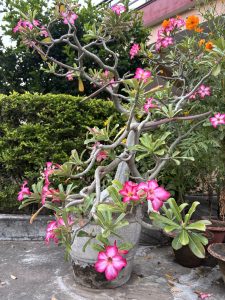
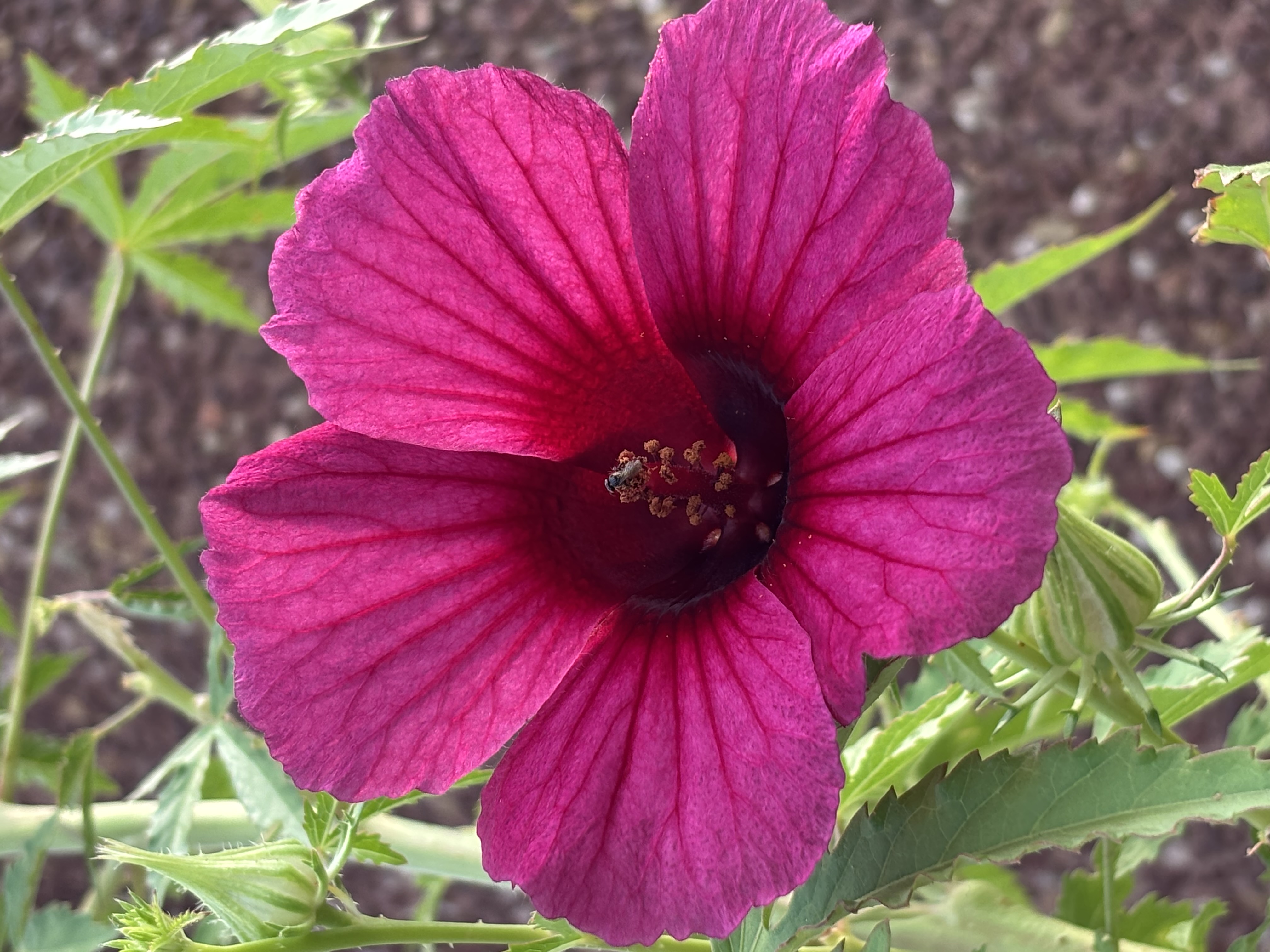
The flowers radiate their vibrance and life force. Orange marigolds. Lots and lots, rows and rows of marigolds. Magenta hibiscus, pink honeysuckle, yellow oleander. Nature standing tall, lining the footpaths. As it does our lives.
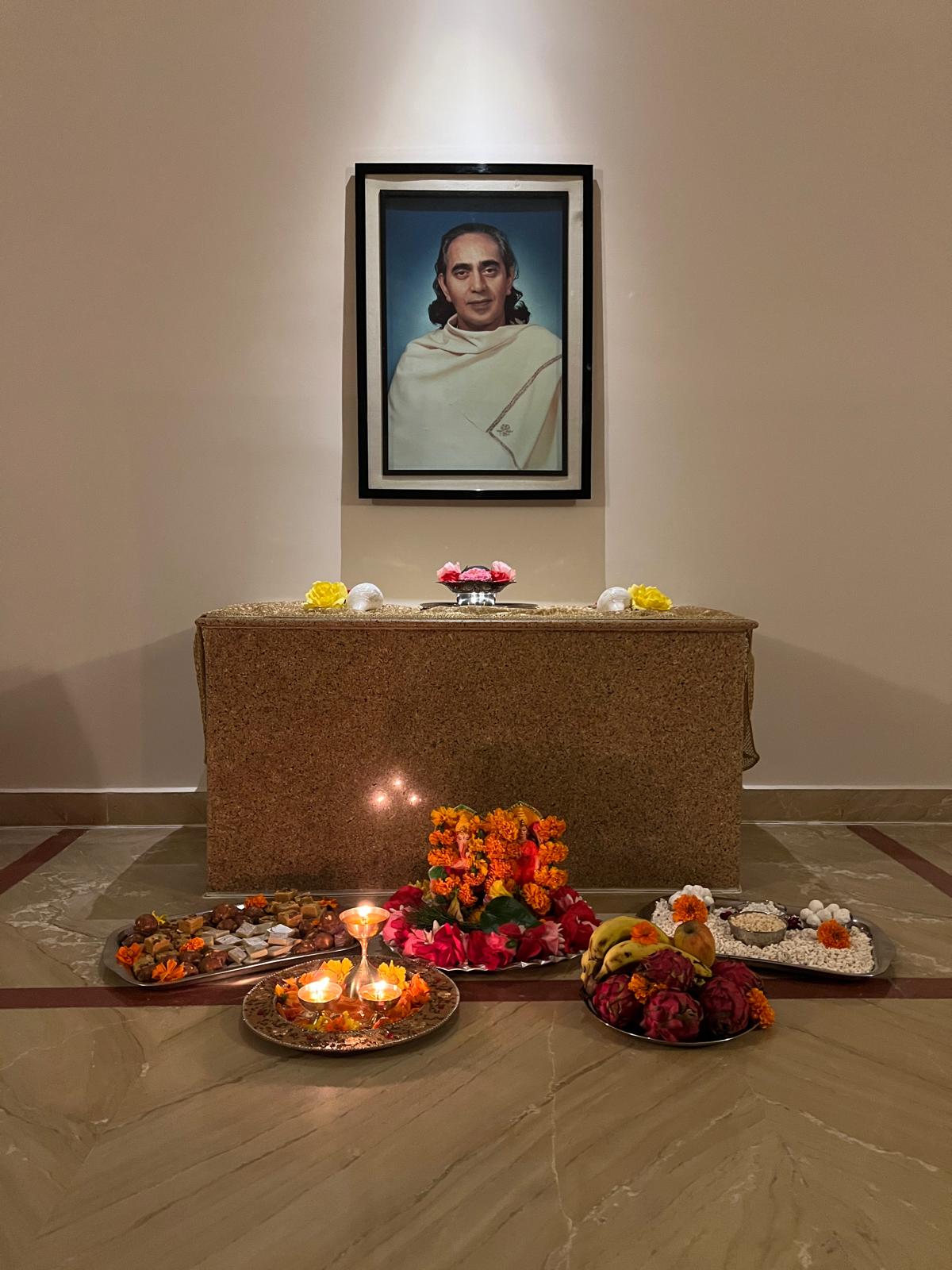
Overlooking all of us during the practice was Mother Divine, looking down, guarding, protecting, watching, loving.
For me, the day began early in the dark (my room partner was up an hour earlier still!) to exercise either on the roof of the building or when it rained, in the sheltered practice hall in front of the main house. I shared the space with a meditator or two, shrouded in silent prayer.
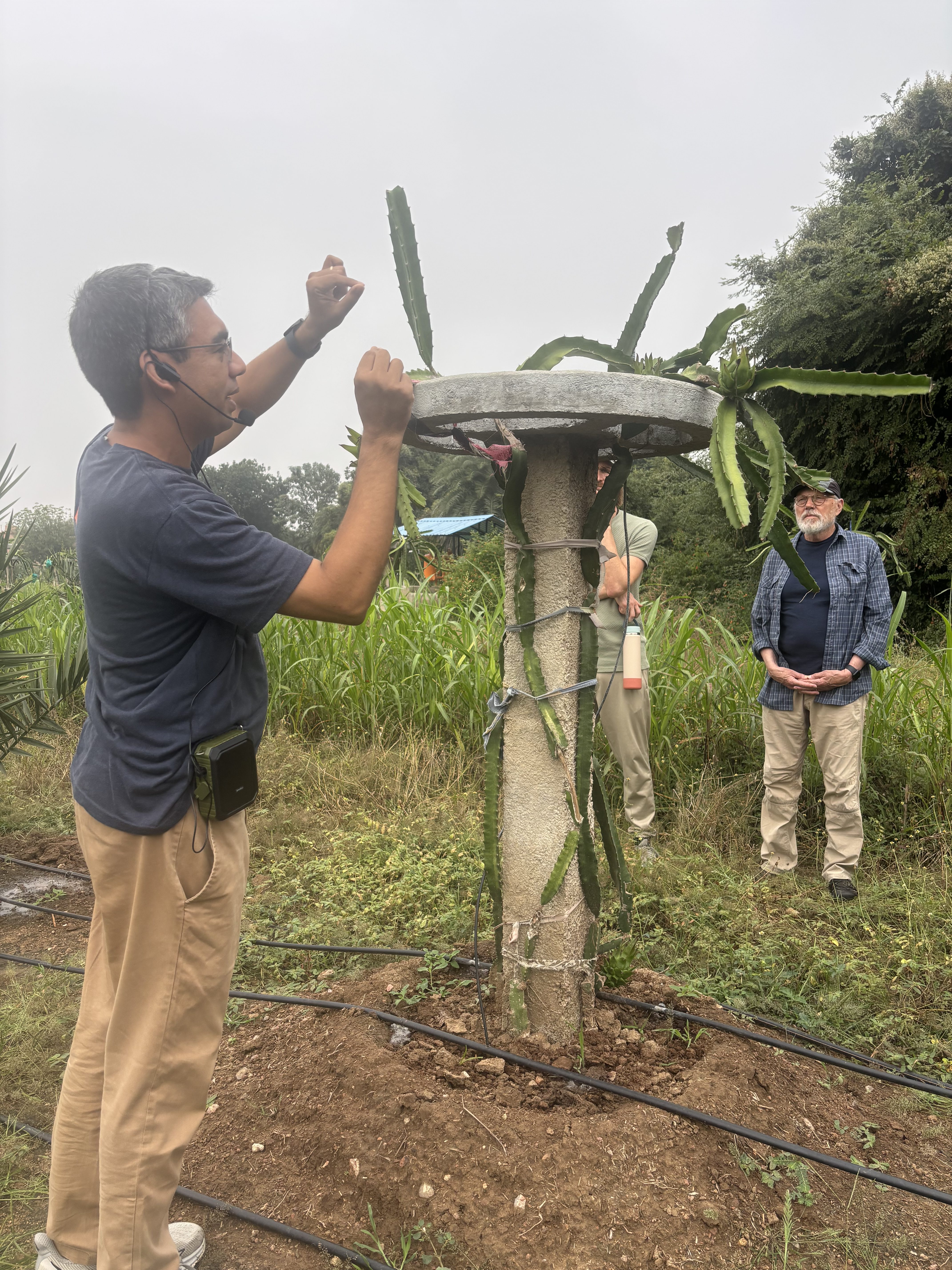
Just before 6, I would save a cup of chai in my room to drink later, then hastily make my way for 6 am prayers. Fortunately, I would just make it in time for the first bell. Others would be in the sadhana chamber already, preparing their breath for prayers. My practice then began, first in the sadhana chamber, then on the roof adjacent to the Havan Kund, in the sun facing Ma. The entrance of the Shrine, the Maha Mandapa contains the wisdom of Sri Vidya, the sadhana chamber the vibration of her unconditional love, and all through the campus is her breath.I felt genuinely nourished by the 15-day Maha Yaga practice. There was a force that motivated and moved one to participate. No inertia. Of course, the physical food was no different. Bright colours (esp the purple homegrown dragon fruit) on a plate satisfied all layers of senses. Meeraji’s nourishing hand was everywhere to be felt. The chatter over meals was explorative and friendly. Panditji’s late morning lecture would follow on most days. Sometimes a circuitous route (because how DO you convey an experience…) but always the transference of that something which lit the fire inside. To want more. To be more.
Then followed the group Sri Sukta practice of 30 recitations. The first day I counted and lost track. The second I kept track but ended up exceeding the count. The third day I correctly counted. Vasanas. Then in the days following I stopped counting and tried to be.
The afternoons were generally free. Sometimes friendly yoga. Then chai and Indian snacks at teatime to break the day. I loved the chai and snacks! I would then return to a period of practice before the evening group Havan. Occasionally I would eat the evening meal if I felt hungry. For someone who is usually always hungry, it was a refreshing surprise not to crave food. Havan was a chance to offer the sacred into the fire of deities who transformed it and dispersed it as appropriate to replenish depleted mother nature. Offering. Giving. Listening. Grateful. (It strikes me that I am able to write the least about the most significant part of the 3 week practice. So much more to learn…) Panditji would also reach out to someone at the end of the practice and discuss something seemingly everyday. But actually he was touching those who needed it. He always knew when and how.
It really felt like an ashram. A place to practice, to connect with the divine without and within. Like a hive, there is a large team of people who work quietly with vigour, behind the scenes, to keep the physical aspects just so. They are respectful whilst performing their duties. Serenity pervades. The kind that results from powerful vibrations that only nature provides. This is a place where dimensions are experienced.
The vibration changed noticeably when the practice ended. The space closed. I yearned to stay and wept in front of the banyan tree. She told me my time there was complete. My job was out there in the world. Not here. I was to go.
And so, I did. Changed. Yes. Alive to my inner world. Yes. Ready for the outer world. Certainly not. But that was the job. To bridge the two. A whole lifetime spent not wanting to wear the badges of the world but feeling that I should. A turning away from the inner world, which was pulling, but not receiving. In limbo. A foot in either world and a heart in only one. A heart that I didn’t make time for. Stuck. It meant that things had to change going forward.
And so, life continues. I make myself sit down daily and breathe and practice. I search in nature for other ways to access consciousness. I try and remember.
Sri
Back to Sri.
Always back to Sri.
I see her smiling, resting, being.
She radiates fullness, ripeness, a dew-covered rosebud at dawn.
Gloriously confident in her being, beautiful, tingly, alive, vibrant, thrilling, quietly glowing. All is present simultaneously.
To me. For now.
Forever changed and forever changing.
I am indescribably (again) grateful to the Himalayan Tradition and its custodians for lighting my cobblestoned path. For adding glitter and glow, warmth and wisdom, curiosity and exploration and a reason to truly BE.
Please visit this sacred space. Click here to visit the HI Khajuraho website.
As is said by HI – on a T-shirt I have!
‘Join the practice
Change the world’
HI at Poulstone:
If you are already familiar with HI, come to an August gathering for a Sri Sukta practice weekend at Poulstone. Contact divya@poulstone for more information.
If you want to find out more, come to join a series of events that we are organising. Contact rajesh@poulstone for further information.
Join in at Poulstone
If you want visit or volunteer at Poulstone, do get in touch.
Mother Tree Mornings occur on Fridays, and involve gardening, coffee and cakes! Contact divya@poulstone to learn more.
Over the years I have been compiling a list of films to watch for spiritual inspiration. The following are my current top nine. They have religious themes, uplift the spirit and remind those on the search for truth, don’t give up. The road may be arduous but worth travelling. Hope they inspire.
1.Marcelino Pan y vino 1955 (Spanish, director Ladislao Vajda novel by Jose Silva) (available on U Tube)
A week old baby is abandoned outside a Franciscan monastery. The film is about a playful child who is cared for by some very patient monks. A tender movie with a great soundtrack and a story of how monks raising a child witness the miracle of innocence. It won the best film award at the Berlin International film festival in 1955. The film is simply told but surprisingly moving.
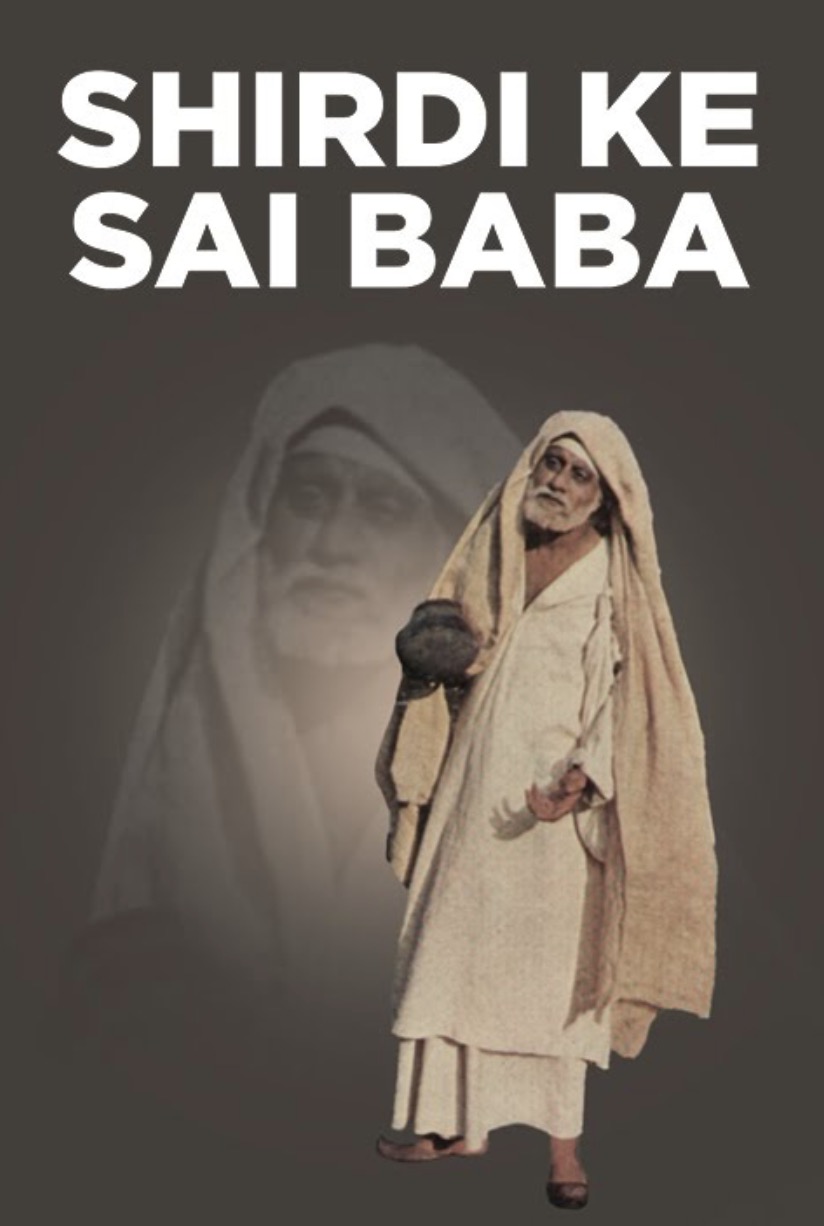
2. Shirdi ke Sai Baba 1977 (Written and directed Ashok V Bhushan, original language Hindi) (available Zee5, U tube)
Screenshot
A biographical film about the life of Sai Baba of Shirdi. This biopic gives Sai Baba a Bollywood musical makeover. The result, Sai Baba is now part of the popular imagination of India. The film’s devotional songs can be heard in many of India’s temples and the movie is a masala mix of jealousy, anger, poverty, love, compassion, miracles – the whole gambit. Sudhir Dalvi’s portrayal of Sai living a life of simplicity is iconic. The film retains throughout the essence of a giant in India’s spiritual legacy, but whose humility will not allow that to be said about him. Genius.
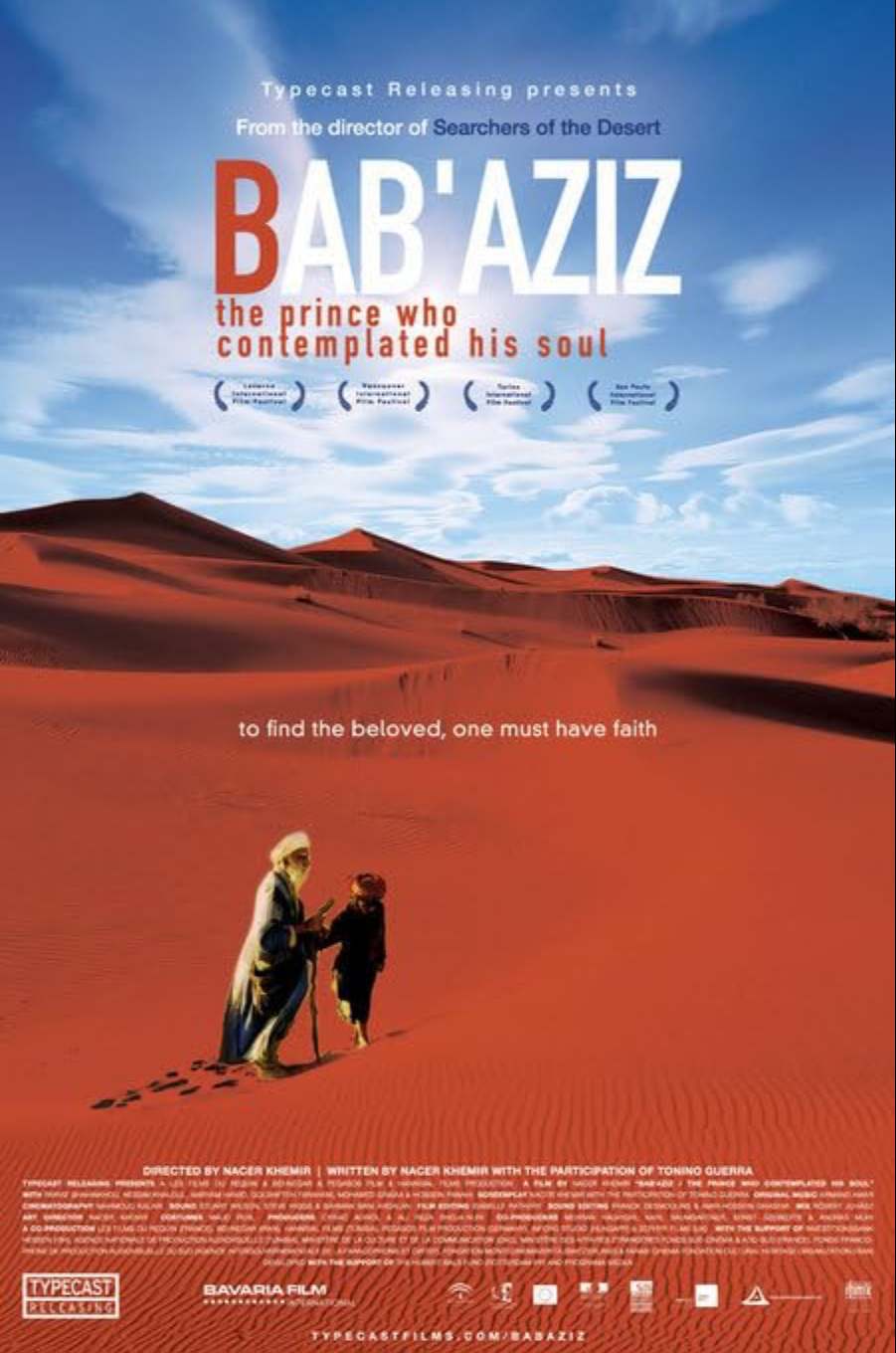
3.Baba’ Aziz 2005 (Writer and director Nacer Khemir original language Tunisian Arabic)(Available U Tube -English subtitles)
A Tunisian film on themes of Islamic mysticism and Sufism set in, what must be, the Sahara Desert. It is a sublime film with a number of stories intertwined into a central story. The central story is of an old blind dervish, travelling with his young granddaughter to a dervish gathering in the desert. The desert provides an otherworldly framework to the storytelling, adding to the mystical quality of the film that asks its audience to see with their hearts. I assume, the reason the aged dervish is portrayed as blind. The script writing is crafted throughout with metaphors, singing, dervish dancing. Dialogue such as “ the people of this world are like three butterflies in front of a candle flame. The first one went closer and said: I know about love. The second one touched the flame lightly with his wing. I know how love’s fire can burn. The third one threw himself into heart of the flame and was consumed. He alone knows what true love is.” A must watch with a transcendental ending.
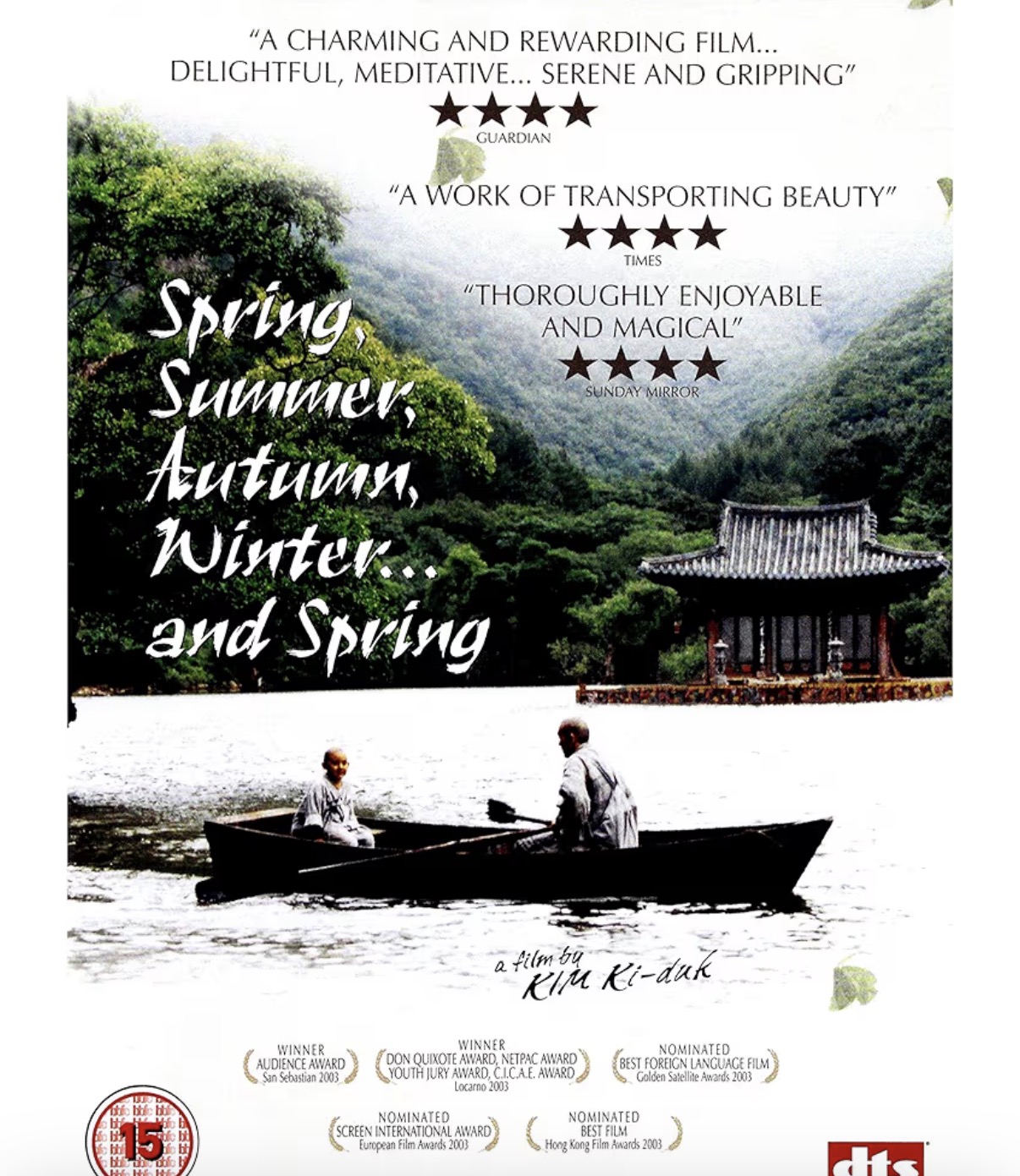
4. Spring Summer Autumn Winter and Spring (2003) (Korean)(director Kim Ki-Duk) (available on Amazon)
An elegant film set in a remote mountain lake where, like a swan, a tiny Buddhist monastery gracefully floats on a raft surrounded by breathtaking landscape. The master and his student are the central characters living in an idyllic setting but the student wants to experience more. Seasons march relentlessly with time but are more forgiving. An exceptional film with cinematography that inspires the spirit. Very little is said in the telling of the story, yet the story is told. Exceptional.
5. The Song of Bernadette 1943 (director Henry King, novel written by Franz Werfel (available on Amazon)
The film tells the true story of Bernadette and her miraculous visions of “Our lady in Lourdes” in 1858, now the religious shrine at Lourdes. Bernadette began having visions at the age of 14. The Virgin Mother, adorned with gold roses on both feet, asked Bernadette to visit her 15 times. Bernadette had 18 visions in total and was canonised by the church in 1876. The portrayal of St Bernadette by Jennifer Jones is mesmerising and won her an Oscar for best actress, The film has a stupendous cast, which includes Vincent Price and William J. Cob. The film in total won 4 Oscars. It is a thought provoking film, simply told, dealing with issues of spiritual dogma, suffering and faith, humility and a naive faith of a young girl that melts the scepticism of the orthdoxy and the elites. Definitely worth a watch. It has inspired me to visit Lourdes.
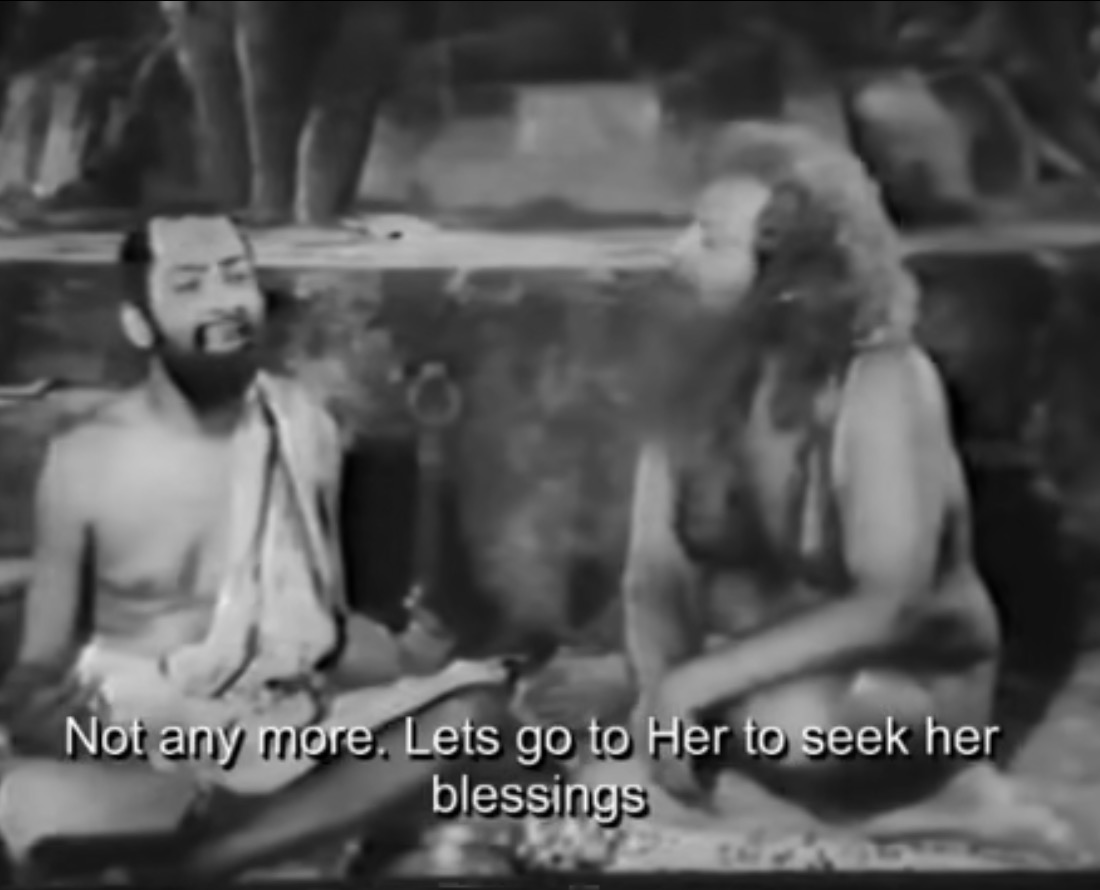
6. Bhagavan Ramakrishna Dev 1955 (director Prafulla Chakraborty, original language Bengali)( Available U Tube)
A biographical film on Sri Ramakrishna, arguably one of the greatest spiritual Indian adepts of the 20th century. He is the guru of the legendary Vivekanada. Kanu Bannejee’s acting, who plays the part of Sri Ramakrishna, is filled with such spiritual intensity, that the portrayal verges on insanity. It’s a spiritually intoxicating performance and film. This film depicts some of the spiritual paths Sri Ramakrishna mastered and the great teachers who were drawn to guide him on these paths. A film depicting a remarkable period of spiritual accomplishments by one of the greats.
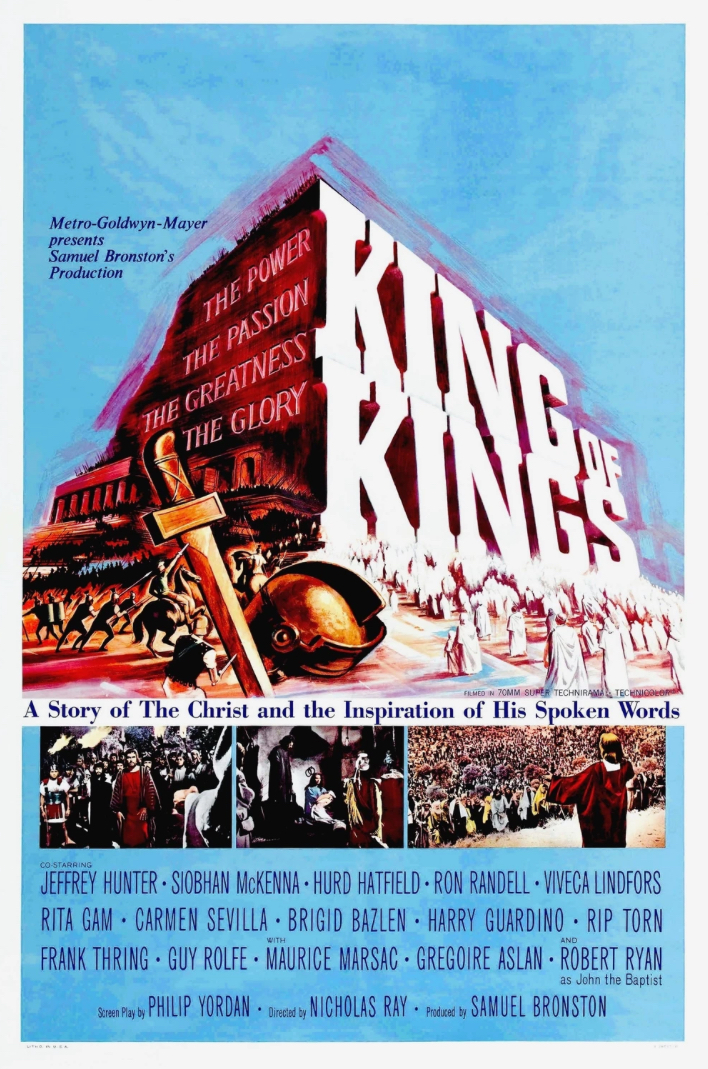
7. The King of Kings 1961 (Directed by Nicholas Ray) (available on Apple TV, Prime)
A Hollywood epic on the life of Jesus of Nazareth with Orson Welles narrating the “greatest story ever told”. I chose this film because of the sermon on the mount scene. The sermon is given with such conviction by Jeffrey Hunter, who plays the part of Jesus, that I defy any searcher not to be moved by it. Its message remains universal. 700 extras were used filming this scene, as if angels were watching in awe and giving volume to a sermon that wrote history. The film was made at the tail end of the era of Hollywood’s epic cinema. A great film reminding, in the Hollywood way, of a message that is relevant now as it was 2000 years ago – peace and love.
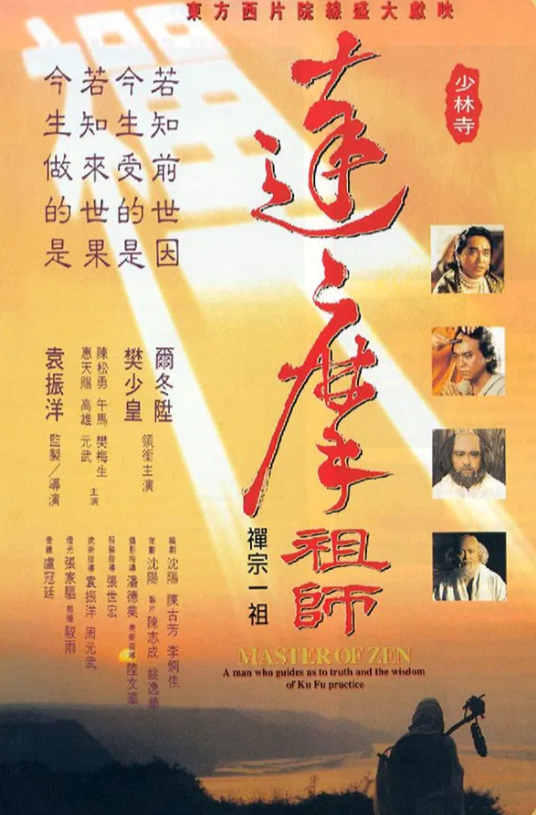
8. Master of Zen 1994 (Hong Kong, director and writer Brandy Yuen, original language Chinese and dubbed into English)(available on U Tube)
The film is about the life and legend that is Bodi Dharma. Bodhi Dharma introduced Buddhism to China from India, he is the founder of Zen Buddhism and founder of Shaolin Temple. The genre of the film is 70’s Chinese martial art cinema with fantastical English dubbing (at times in east end accents). All said, the film, through the cartoon like exaggerations of the genre, explain the larger than life and legendary achievements of Bodhi Dharma. Bodhi Dharma made the unbelievable believable, such were his feats, for this reason, the film just works.
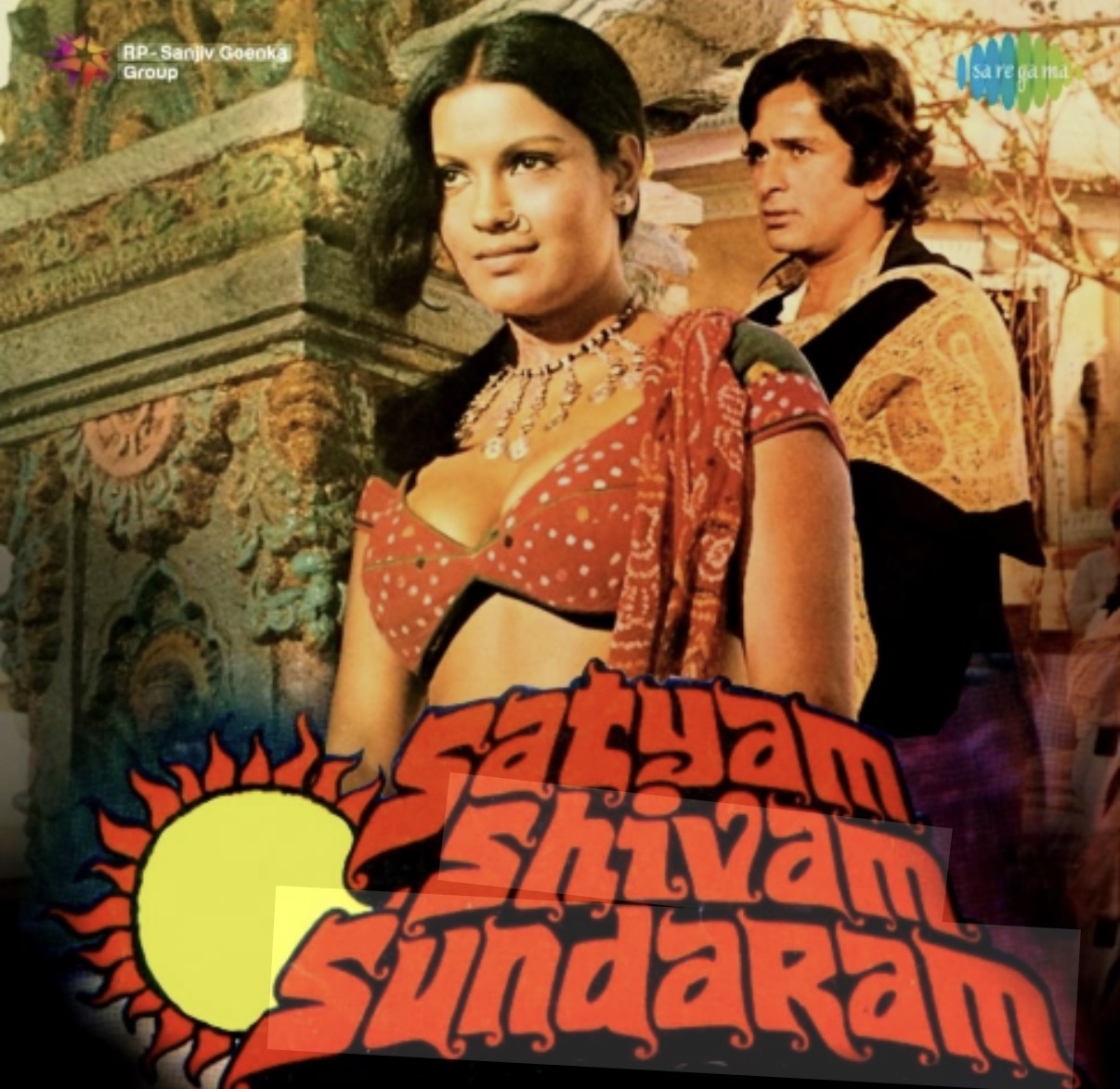
9. Satyam Shivam Sundaram (truth, divinity and beauty) 1978 (Indian, director Raj Kapoor, written by Jainendra Jain (Available Amazon UK)
This musical film is directed by one of the greatest entertainers of Indian cinema, Raj Kapoor. Its lead actors, Zeenat Aman and Shashi Kapoor are legends of Indian 60s, 70s and 80s cinema. The musical director is the great Lamixant – Pyrelal and the greatest singers of Indian cinema, Lata Mangeshkar and Mukesh, are the film’s playback singers. Together, they use this art form to tell you that beauty is truth, it transcends form, it is divine, without blemish, it is eternal.
A father and daughter sing devotional songs in a temple but the girl suffers horrible disfigurement to one side of her face in a freak accident. She continues to sing songs in the temple but covers up the disfigured part of her face until someone falls in love with her. The songs in the film have become part of both the spiritual and popular fabric of Indian culture. This is the achievement of the film. It seems to have blurred many lines, including the boundary between what is a religious film and a film for popular culture. There was outrage when the film was first released because of the erotic and suggestive nature of the film. Under it all though, it is as if a female celestial nymph that was carved into a stone column of an Indian temple, came to life to teach through aesthetic beauty, drama and song – truth is divine, divine is beauty and beauty is truth. The title of the film.
A remarkable film that confronts many boundaries of 70s Indian culture and spirituality.